%2Ffit-in%2F250x250%2Fguide_websites%2F180302%2Fimages%2F1782779793261logo.jpeg&w=1920&q=100)
/users/ac5a2c24-9ac3-4fec-9f99-380334e961f6/ratecard/tarpon-mqzwl8g1.jpg)
%2F300x300%2Fusers%2Fac5a2c24-9ac3-4fec-9f99-380334e961f6%2Fratecard%2Ftarpon-mqzwl8g1.jpg&w=256&q=75)
%2F300x300%2Fusers%2Fac5a2c24-9ac3-4fec-9f99-380334e961f6%2Fimages%2Fred-grouper-clearwater-fishing-catch-2507.jpg&w=256&q=75)
%2F300x300%2Fusers%2Fac5a2c24-9ac3-4fec-9f99-380334e961f6%2Fimages%2Fgag-grouper-clearwater-fishing-catch-2602.jpg&w=256&q=75)
%2F300x300%2Fusers%2Fac5a2c24-9ac3-4fec-9f99-380334e961f6%2Fimages%2Fclearwater-snapper-grouper-fishing-success-2703.jpg&w=256&q=75)
%2F300x300%2Fusers%2Fac5a2c24-9ac3-4fec-9f99-380334e961f6%2Fimages%2Fclearwater-fishing-boat-ready-2441.jpg&w=256&q=75)
%2F300x300%2Fusers%2Fac5a2c24-9ac3-4fec-9f99-380334e961f6%2Fimages%2Fdouble-blackfin-tuna-clearwater-catch-2637.jpg&w=256&q=75)
%2F300x300%2Fusers%2Fac5a2c24-9ac3-4fec-9f99-380334e961f6%2Fimages%2Fclearwater-cobia-fishing-charter-success-2380.jpg&w=256&q=75)
%2F300x300%2Fusers%2Fac5a2c24-9ac3-4fec-9f99-380334e961f6%2Fimages%2Fblackfin-tuna-double-clearwater-catch-2557.jpg&w=256&q=75)
%2F300x300%2Fusers%2Fac5a2c24-9ac3-4fec-9f99-380334e961f6%2Fimages%2Fclearwater-blackfin-tuna-catch-2593.jpg&w=256&q=75)
%2F300x300%2Fusers%2Fac5a2c24-9ac3-4fec-9f99-380334e961f6%2Fimages%2Fblackfin-tuna-clearwater-fishing-sunset-2575.jpg&w=256&q=75)
%2F300x300%2Fusers%2Fac5a2c24-9ac3-4fec-9f99-380334e961f6%2Fimages%2Fclearwater-blackfin-tuna-double-2614.jpg&w=256&q=75)
Early Morning Tarpon Inshore Capt Merrick FL
What you will be catching:
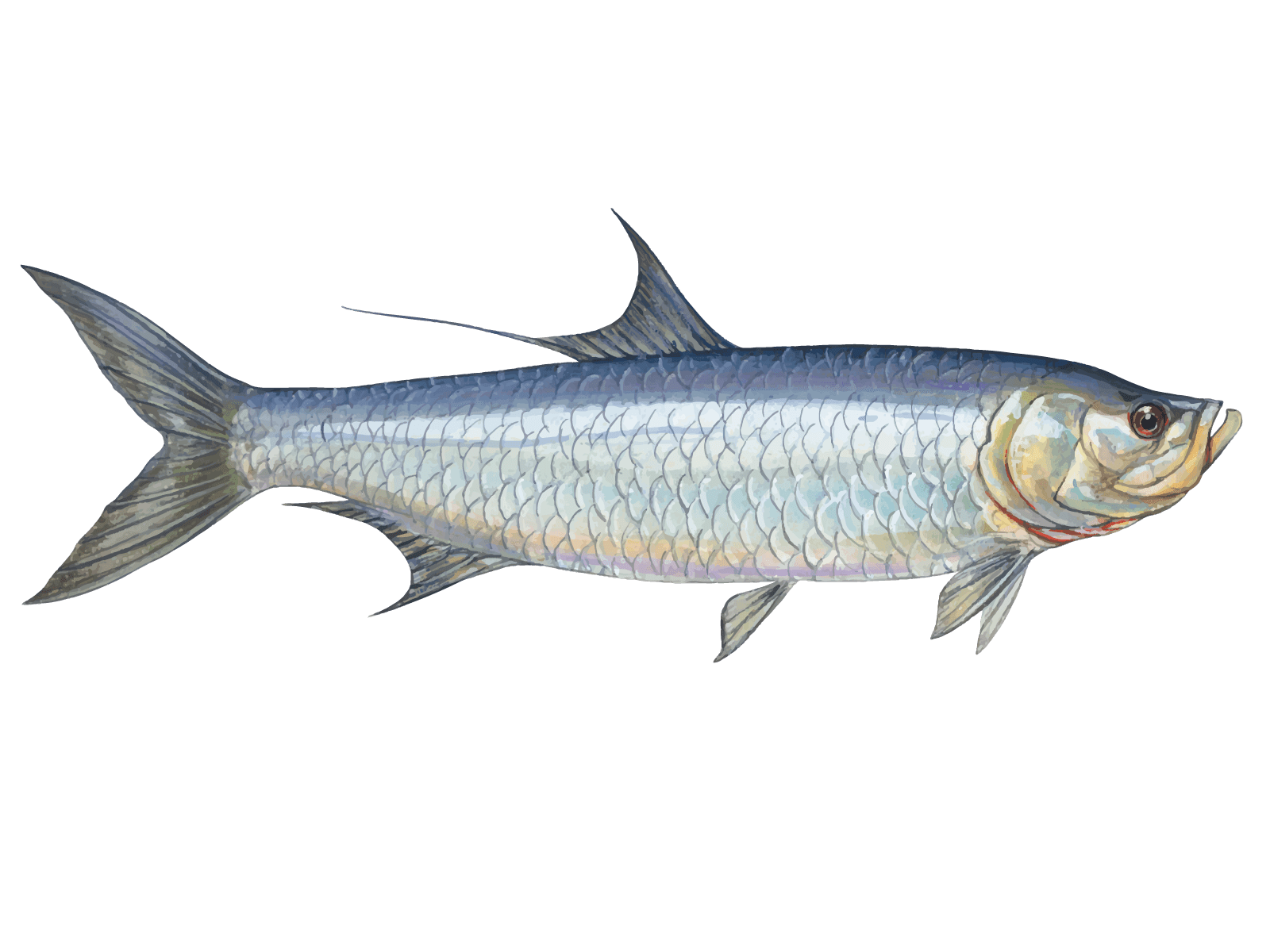
 Tarpon
- 5-hour pre-sunrise tarpon fishing adventure off Clearwater's Gulf Coast
- Accommodates up to three anglers with expert Captain Merrick's guidance
- Personalized instruction and local knowledge for targeting Florida's silver kings
Trip Pricing and Availabilities:
Half Day Early Morning Tarpon Fishing - Clearwater
When the sun's still below the horizon and most folks are hitting snooze, you'll be heading out with Capt. Merrick for what many consider the best tarpon fishing window of the day. This 5-hour private charter gets you on the water when these silver kings are most active, and with space for just three guests, you're getting the personalized attention that makes all the difference between stories and empty coolers. Capt. Merrick knows these Clearwater waters like the back of his hand, and he's dialed in on where the tarpon stack up during those magic morning hours. Pack your snacks, drinks, and plenty of sunscreen because once you hook into one of these prehistoric bruisers, you'll understand why tarpon fishing has such a cult following along Florida's Gulf Coast.
What to Expect on the Water
Your day kicks off well before dawn, which might sound brutal, but trust me – there's something special about watching the Gulf wake up while you're already positioned on prime tarpon grounds. Capt. Merrick runs a clean, well-maintained boat that's perfectly rigged for tarpon fishing, with heavy-duty tackle that can handle these powerful fish without being overkill for the fight. The morning bite window typically runs strong from about an hour before sunrise through mid-morning, and that's when you'll see the most rolling, jumping, and feeding activity. Don't expect a leisurely cruise – this is focused fishing time where every cast counts. The captain will have you set up on structure, channels, or wherever the bait schools are holding, and he's constantly reading conditions to put you in the best position. You'll cover water efficiently but strategically, hitting multiple spots if needed to find active fish. The small group size means everyone gets plenty of rod time, and Capt. Merrick can coach each angler through the nuances of tarpon fishing without splitting his attention too thin.
Techniques & Tackle Setup
Tarpon fishing isn't your typical inshore game – these fish demand respect and the right approach. Capt. Merrick runs heavy spinning gear and conventional setups loaded with 50-80 pound test, because when a 100-plus pound fish goes airborne, light tackle becomes expensive kindling. Live bait is king here, with mullet, pinfish, and crabs being top choices depending on what the fish are keyed in on that particular morning. You'll learn proper bait presentation, which is crucial since tarpon can be incredibly finicky about how food is delivered. The captain will position the boat to drift naturally with current and wind, keeping baits in the strike zone without spooking fish. Circle hooks are standard for tarpon – they increase hookup rates and make releases cleaner when you're practicing catch-and-release. Expect to use 8-12 foot rods that can handle the initial shock of a tarpon strike and provide the backbone needed during long fights. The boat's rigged with proper fighting belts and gimbals, because these battles can stretch 30-45 minutes even for smaller fish. Capt. Merrick will coach you through the pump-and-wind technique that saves your back and actually lands fish more effectively than just cranking on the reel.
Top Catches This Season
The waters around Clearwater have been producing some stellar tarpon action, with fish ranging from juvenile "baby" tarpon in the 30-60 pound class up to mature giants pushing 150-200 pounds. Early season typically brings the smaller, more aggressive fish that provide incredible action on slightly lighter tackle, while peak summer months see the true monsters moving through on their annual migration. Recent trips have seen multiple hookups per outing, with most guests landing at least one tarpon and experiencing several more strikes throughout the morning. The key has been staying flexible with bait selection and locations – some mornings the fish want live mullet free-lined in 15 feet of water, while other days they're stacked on deeper structure waiting for perfectly presented pinfish. What's been consistent is the morning bite window producing the most activity, with fish feeding aggressively in that golden hour around sunrise. Water temperatures have been ideal, sitting in that sweet spot where tarpon are comfortable and active but not yet dealing with the stress of peak summer heat. The combination of good bait availability and favorable currents has created conditions where even first-time tarpon anglers are hooking up and getting a real taste of what makes these fish so special.
Species You'll Want to Hook
Tarpon are often called the "silver king" for good reason – these prehistoric fish can live over 80 years, grow to 8 feet long, and weigh upwards of 200 pounds. What makes them so special isn't just their size, but their incredible fighting ability and aerial displays that can launch their entire body 6 feet out of the water. In Clearwater waters, you'll encounter tarpon year-round, but the best action runs from April through October when migratory fish join the resident population. These fish are primarily catch-and-release due to their slow growth and important role in the ecosystem, but landing one is considered a major achievement among serious anglers. Tarpon have unique behavior patterns that make them both challenging and rewarding – they roll on the surface to gulp air, which gives away their location but also indicates feeding activity. During the early morning hours, they're most active and aggressive, often feeding in schools that can number in the hundreds. The fight itself is legendary – expect multiple jumps, long runs that can strip 100 yards of line in seconds, and a battle that will test your endurance and skill. What really hooks anglers is the tarpon's intelligence and wariness. These aren't mindless eating machines – they're sophisticated predators that can study your bait, follow it for several minutes, and ultimately reject it if something seems off. When you finally connect with one, that first jump and the sight of a massive silver fish completely airborne makes every early morning and sore arm completely worth it.
Time to Book Your Spot
Capt.
Learn more about the species
Tarpon
These prehistoric giants are the reason anglers travel from around the world to fish our Gulf waters. Atlantic tarpon average 4-6 feet and 80-150 pounds, with that signature silver flash and massive jumping ability that'll get your heart racing. Here in Clearwater, we target them in 6-20 feet of water around structure, channels, and grass flats where they hunt mullet, pinfish, and crabs. Peak season runs late spring through summer when they're most active, especially during those early morning hours when the water's calm. What makes tarpon special isn't just their acrobatics - watching a 100-pound fish launch 8 feet out of the water never gets old. The fight can last 30+ minutes, testing every bit of your skill and endurance. Most folks release them since the meat's full of bones and they're slow-growing fish that don't reach maturity until 7-13 years. Pro tip: keep constant pressure but bow to the fish when it jumps to prevent throwing the hook.
About the Skeeter 24' Bay boat
%2F%2Fusers%2Fac5a2c24-9ac3-4fec-9f99-380334e961f6%2Fvehicle_picture%2Fboat-mqzvywds.jpg&w=1920&q=75)
Vehicle Guest Capacity: 6
Manufacturer Name: Yamaha
Maximum Cruising Speed: 35
Number of Engines: 1
Horsepower per Engine: 300